
Have you ever wondered how big the actual difference is in performance between various iPhone and iPad models? A-series chips are the heart of Apple devices, determining how quickly apps launch, how smoothly games run, and how long the battery lasts. In this article, we’ll compare the performance of different generations of A-series chips based on both numbers and real-life experiences, helping you find a device that perfectly matches your needs.

Evolution of A-series Chips Over the Years
Apple’s A-series chips have evolved year after year, offering increasingly better performance. Let’s compare the main chips currently available in devices:
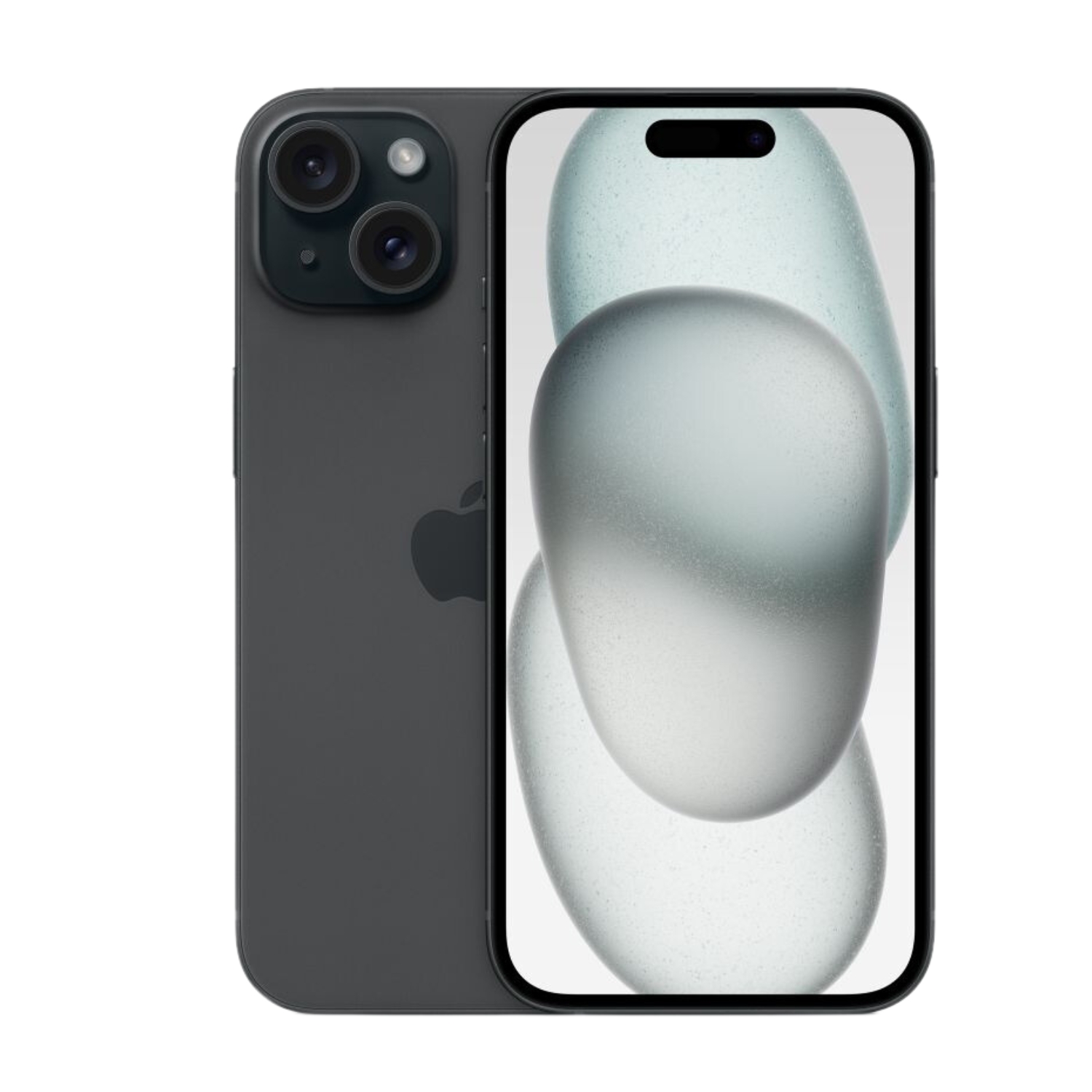
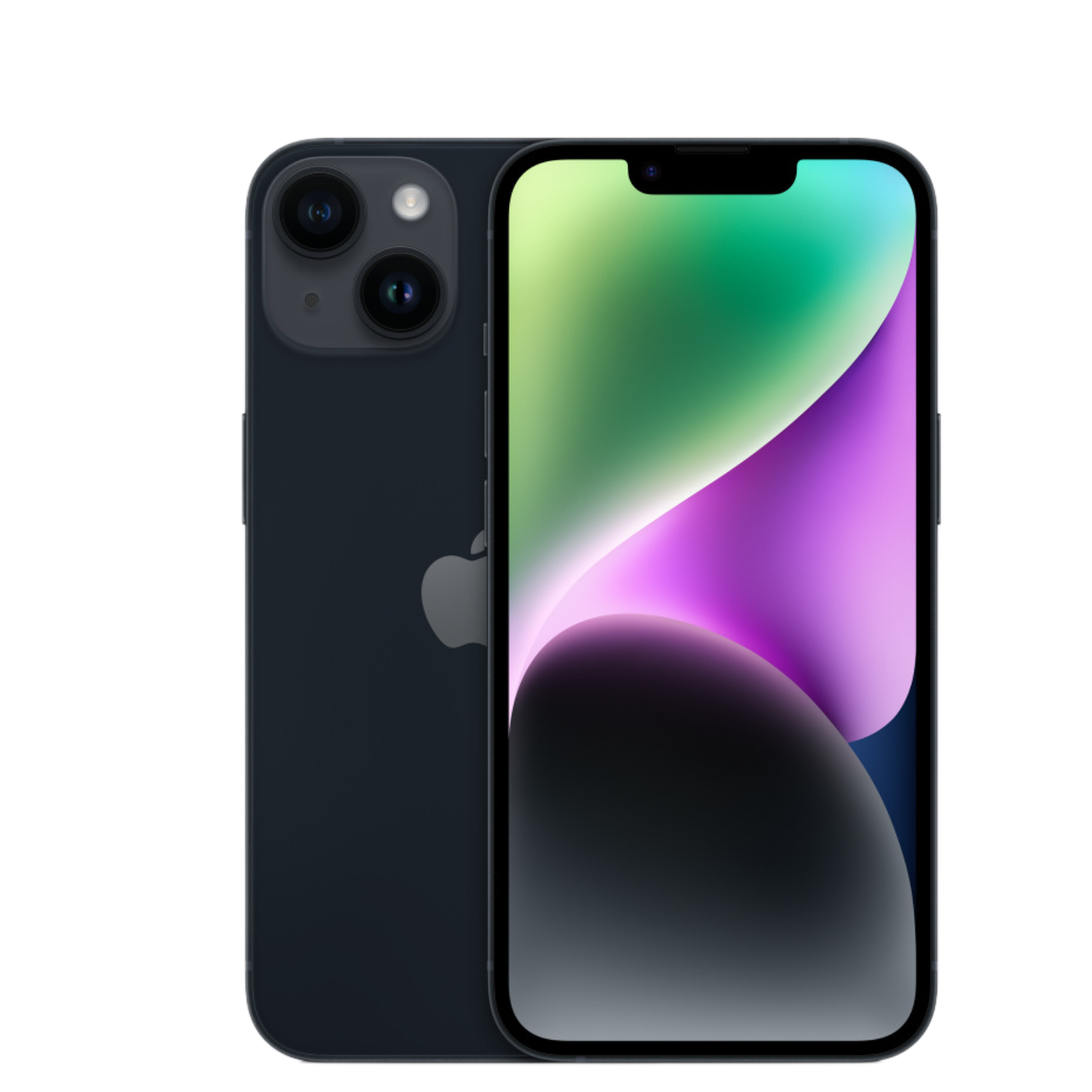
- A16 Bionic (iPhone 14, iPhone 15, regular iPad) – six-core processor and five-core graphics processor
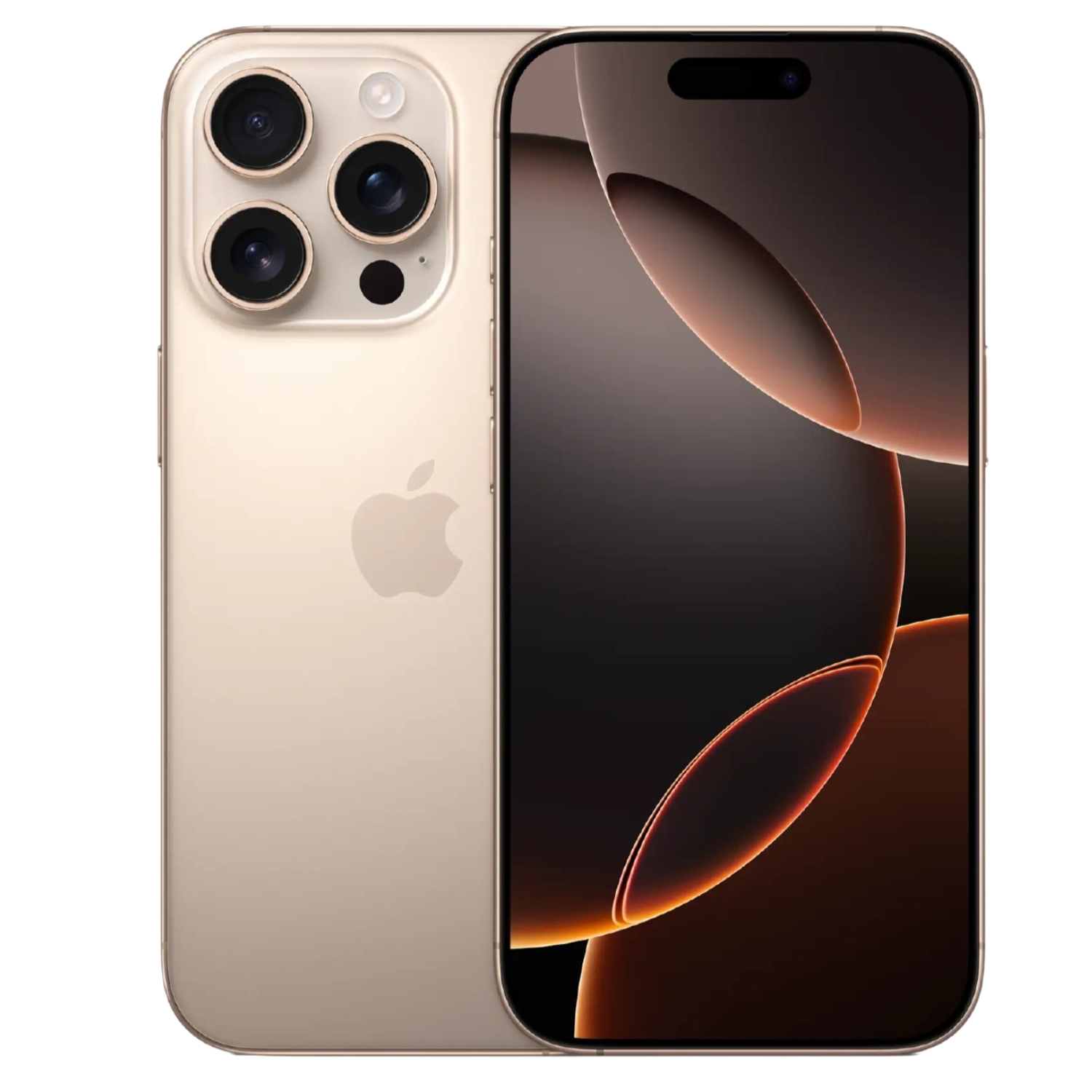
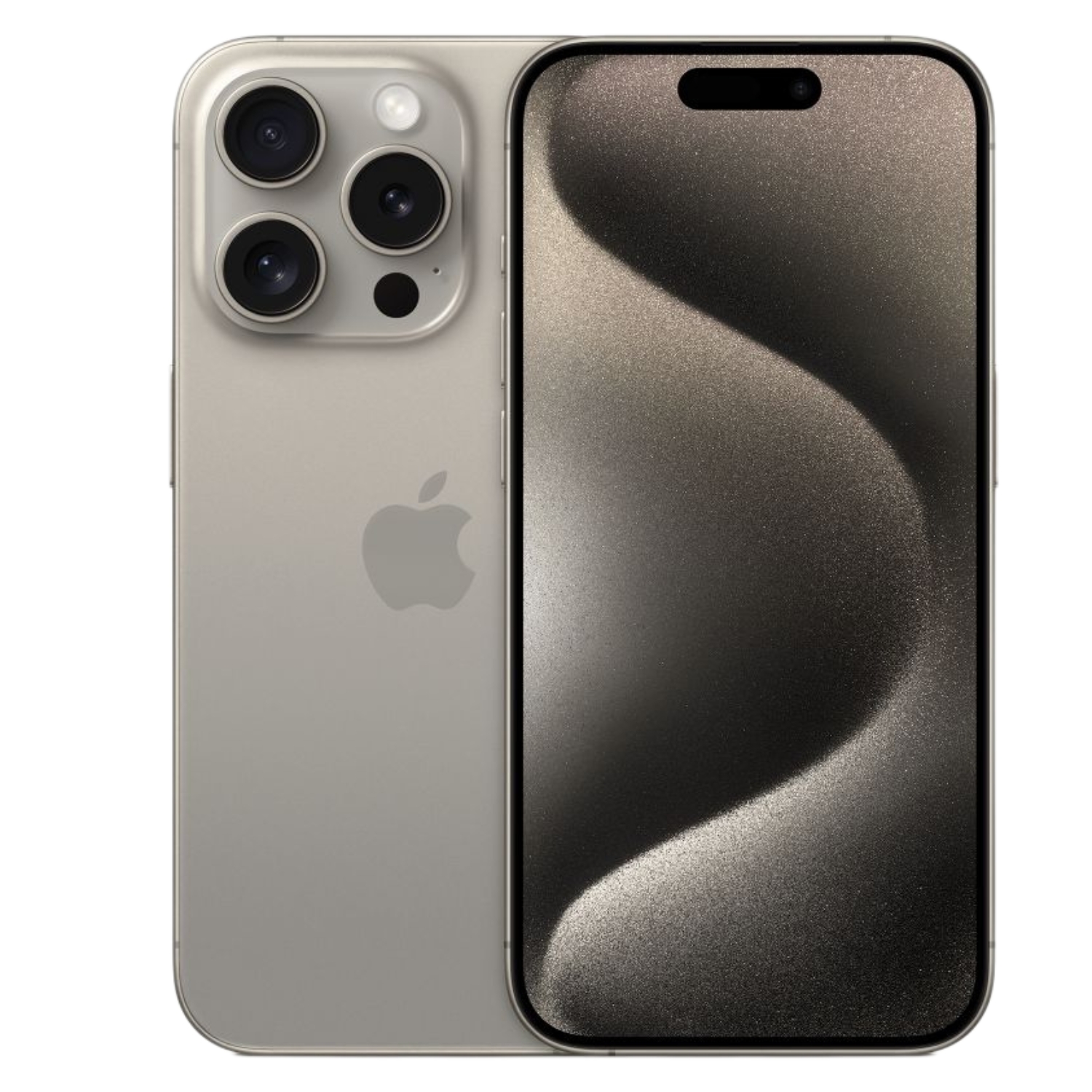
- A17 Pro (iPhone 15 Pro/Pro Max) – six-core processor and six-core graphics processor
- A18/A18 Pro (iPhone 16 series) – six-core processor and significantly more powerful graphics processor
In older refurbished devices, you might find chips like A15 Bionic, A14 Bionic, and A13 Bionic, which still offer very good performance for everyday use.
Benchmark Results: Which Model is the Fastest?
Benchmark tests provide an objective picture of device performance. Let’s look at the main results:
Single-core Performance (general app speed)
- A18 Pro (iPhone 16 Pro): ~20% faster than A17 Pro
- A17 Pro (iPhone 15 Pro): ~10% faster than A16 Bionic
- A16 Bionic (iPhone 14 Pro/15): ~15% faster than A15 Bionic
Multi-core Performance (multitasking, heavy tasks)
- A18 Pro: ~25% better than A17 Pro
- A17 Pro: ~15% better than A16 Bionic
- A16 Bionic: ~20% better than A15 Bionic
Graphics Performance (games, 3D applications)
Here the differences are more noticeable:
- A18 Pro: ~30% better than A17 Pro
- A17 Pro: ~20% better than A16 Bionic
- A16 Bionic: ~20% better than A15 Bionic
Real-life Usage Comparison
Benchmark tests show overall power, but how do these numbers translate into real-life usage?
Everyday Use (web browsing, social media, email)
All A14 Bionic and newer chips offer excellent performance for everyday use. The differences are minimal, and even older chips (A13, A14) handle these tasks well.
Conclusion: If you’re looking for a device for everyday use, you don’t necessarily need the latest chip – you can comfortably consider older and more affordable models.
Gaming Performance
In games, the differences between chips become more noticeable:
- A13 Bionic and older: Handle most games but newer and more demanding 3D games may run at lower settings or not as smoothly.
- A14-A15 Bionic: Play most games at higher graphics settings, may show slight choppiness with the most demanding games.
- A16 Bionic: Very good performance in almost all games, highest graphics settings without major issues.
- A17 Pro and A18/A18 Pro: Top-tier gaming performance even in the most demanding games, supporting more complex graphic effects.
Conclusion: If you’re a serious gamer, the latest iPhone 16 Pro series devices offer the best gaming experience. If you play moderately, iPhone 14 or 15 models (A16 Bionic) are perfectly adequate.
Multitasking and Productivity
- A13-A15: Handle multiple applications, but you may notice delays when reopening apps during intensive use.
- A16 Bionic: Very good multitasking performance, fluid experience in most situations.
- A17 Pro and A18/A18 Pro: Maximum multitasking performance, noticeably fewer delays when moving between apps and during heavier work tasks.
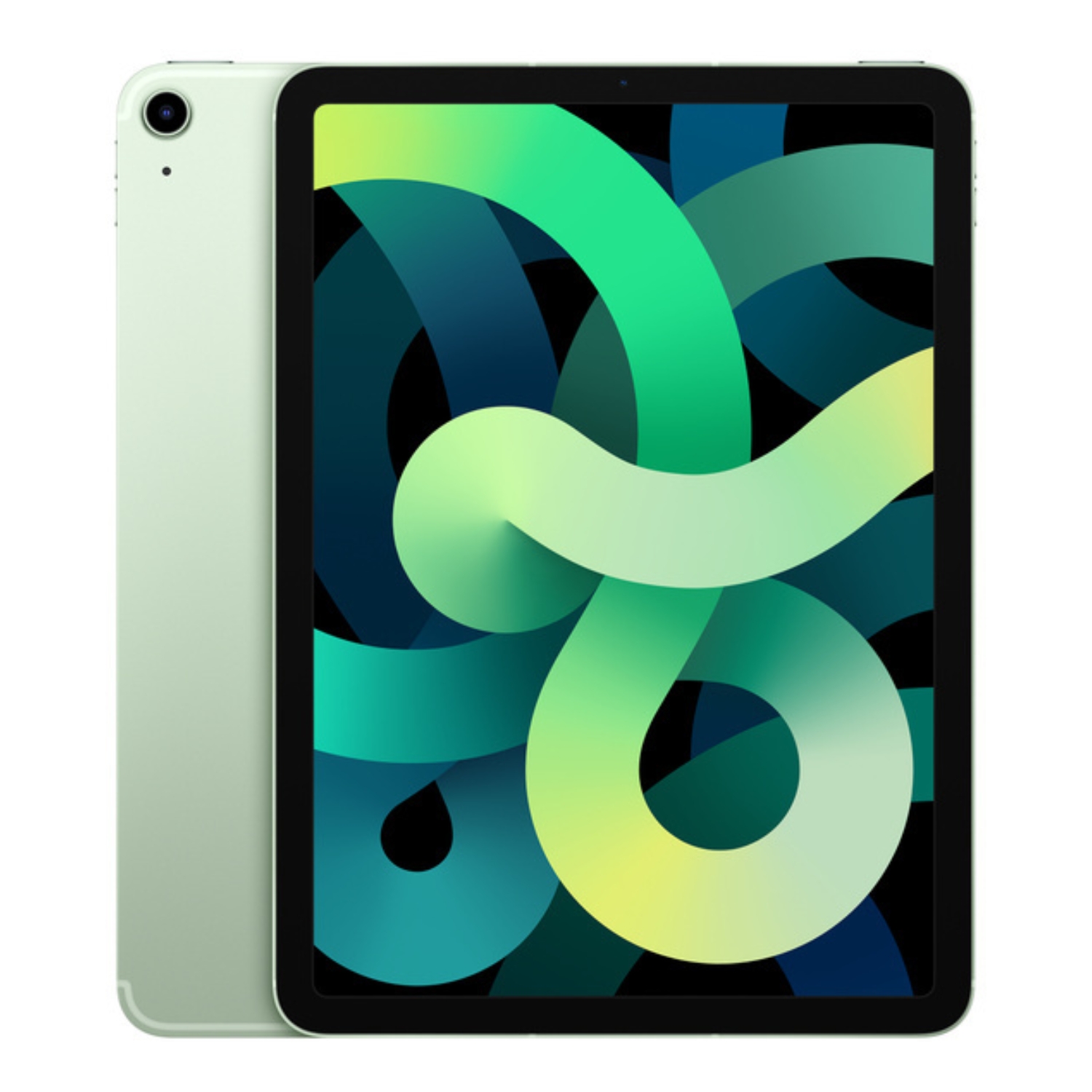
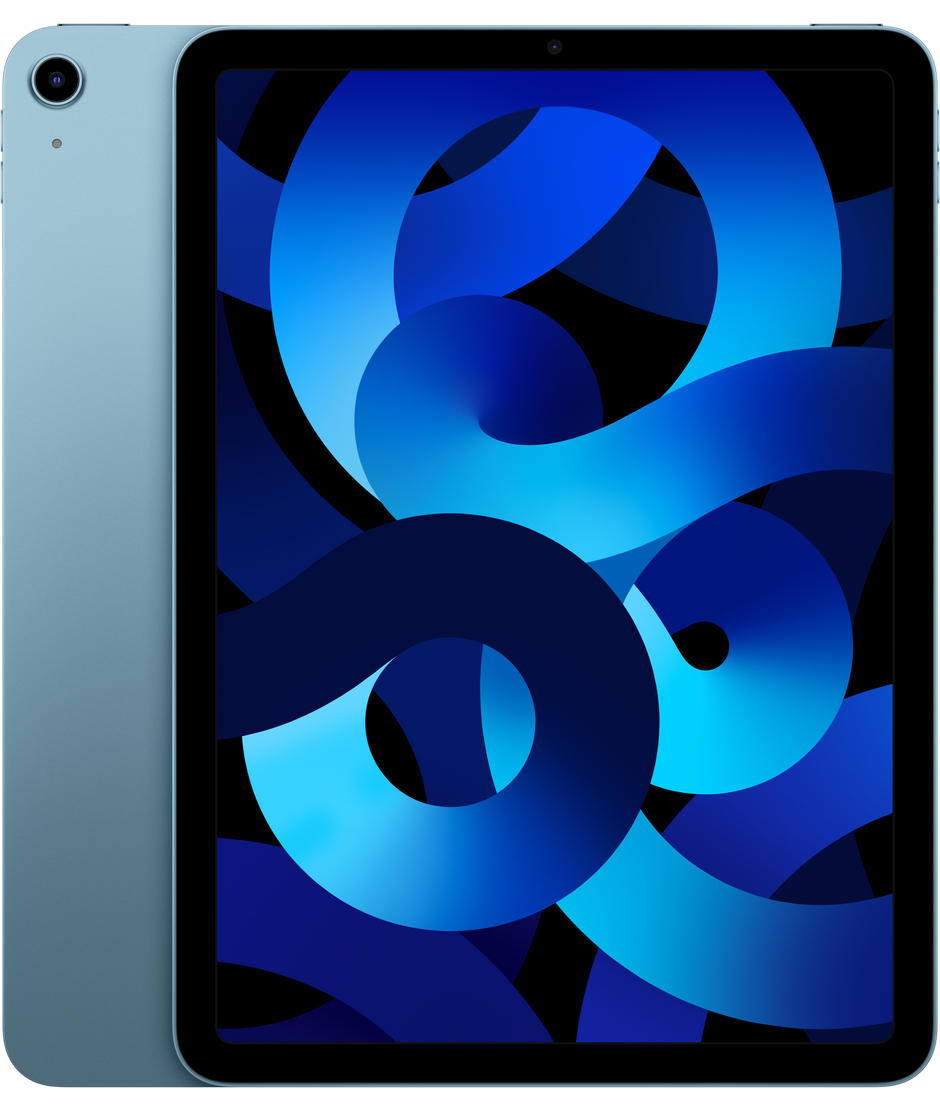
Comparatively, for iPads, especially for multitasking, at least M-series chips (which are even more powerful than A-series) are recommended, as they are often used for working with multiple applications in parallel. However, as mentioned in the iPad Pro vs iPad Air comparison, the iPad Air with M-series chip (M1 or M3) is also powerful enough for productive work, unlike the regular iPad (A-series chip).
Video and Photo Editing
- A13-A15: Basic photo editing is smooth, but 4K video editing may take longer.
- A16 Bionic: Good performance in both photo and video editing, 4K projects run smoothly.
- A17 Pro and A18/A18 Pro: Professional performance, enabling faster processing times and more complex effects. A18 Pro brings an especially big jump in video processing speed.
Conclusion: If you regularly edit photos or videos, it’s worth investing in Pro models (with A17 Pro or A18 Pro chip).
Battery Life and Efficiency
The chip affects not only performance but also battery life. Newer chips are generally more energy-efficient:
- A16 Bionic vs A15 Bionic: About 5-10% better energy efficiency
- A17 Pro vs A16 Bionic: About 10-15% better energy efficiency under heavy load
- A18/A18 Pro vs A17 Pro: About 15-20% better energy efficiency
iPad battery life tests have shown that even models with similar official battery life (10 hours) can give different results in real-world use, where a device with a better chip may last longer due to better energy efficiency.
Temperature Effects on Performance and Battery
Newer A-series chips help devices run cooler, which directly affects battery life. As mentioned in the article how to extend iPhone battery life, high temperature (above 35°C) can significantly accelerate battery degradation.
- A13-A15: May heat up noticeably during intensive tasks (like gaming or video editing)
- A16 Bionic: Better heat regulation, fewer overheating issues
- A17 Pro and A18/A18 Pro: More efficient cooling systems and energy use, running cooler even under load
How Many Years is an A-series Chip Device “Future-proof”?
In terms of software updates and general usability, the lifespan of A-series chips varies:
- A13 Bionic and older: Receive software updates for about 5-6 years after initial release
- A14 Bionic and newer: Expected to receive software updates for at least 6-7 years
Apple devices generally receive long-term software support, extending their useful life. In choosing an iPad for a student, it’s mentioned that iPads typically receive 5-6 years of software updates, giving them long-term value.
Which Chip Device to Choose?
For Everyday Users
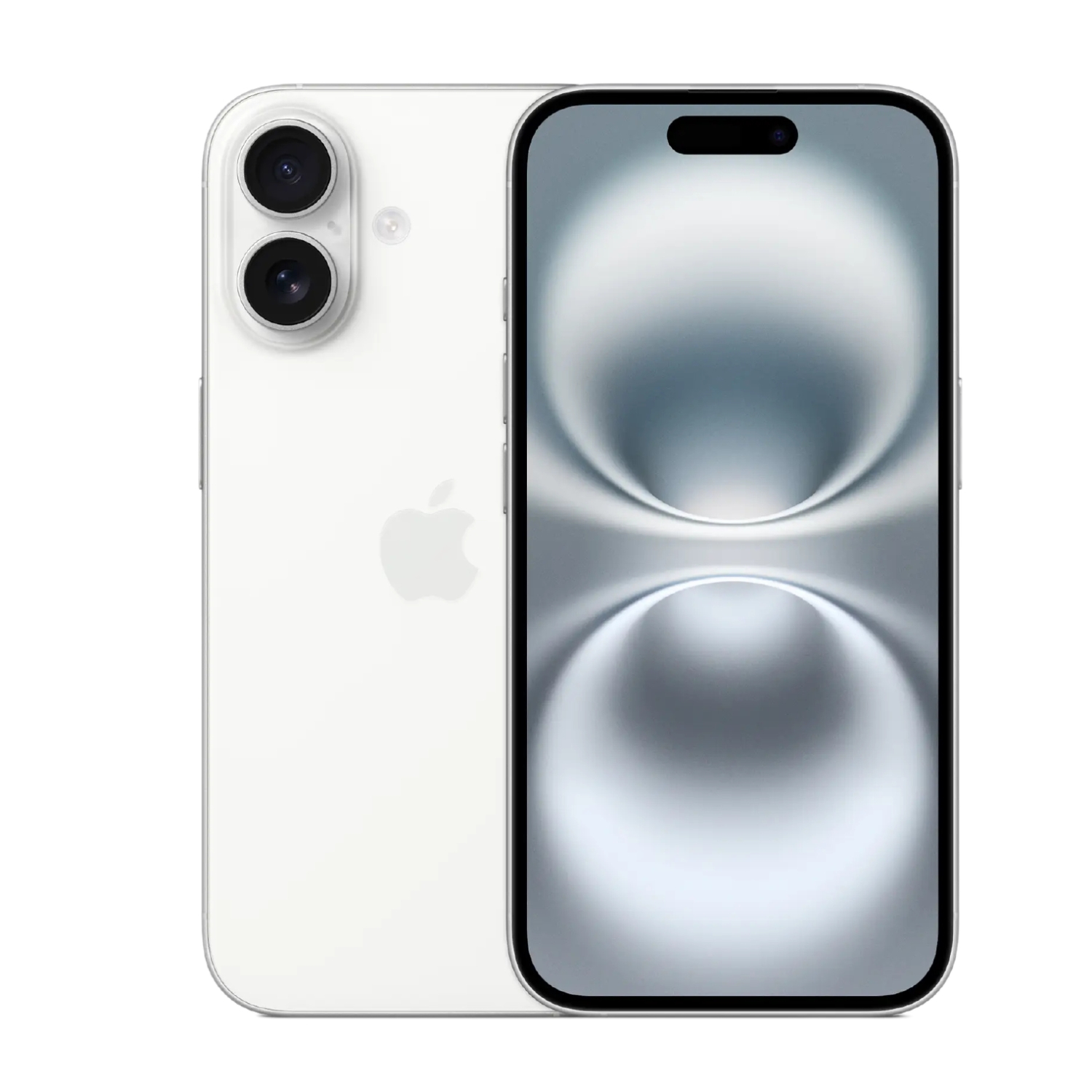
If you primarily use your device for web browsing, social media, and regular applications, devices with A15 or A16 Bionic chips (iPhone 13/14/15) are completely sufficient.

For Gamers
For serious gamers, we recommend devices with A17 Pro or A18 Pro chips (iPhone 15 Pro/Pro Max or 16 Pro/Pro Max). For the average gamer, the A16 Bionic (iPhone 14 Pro/15) is also a very good choice.
For Professionals
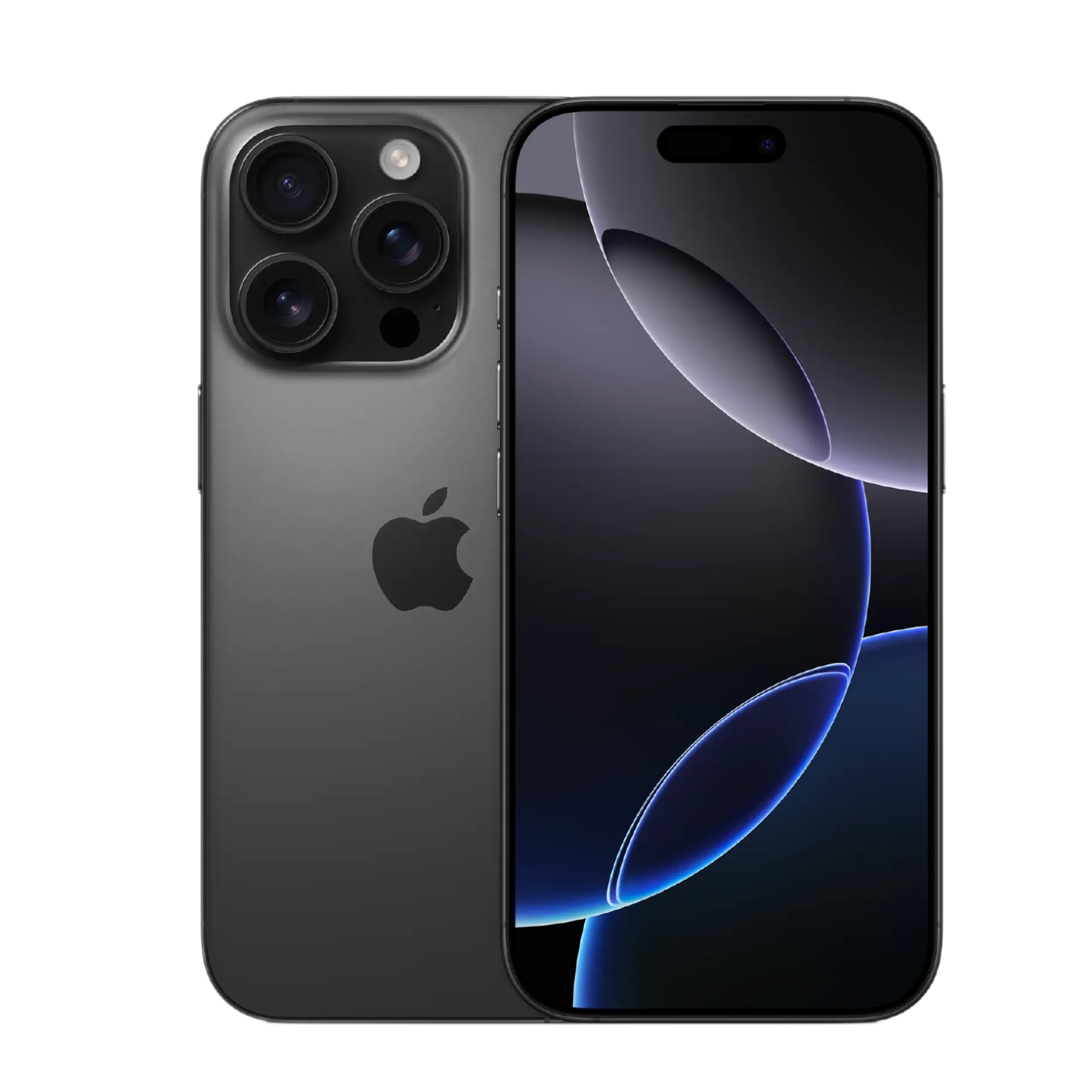
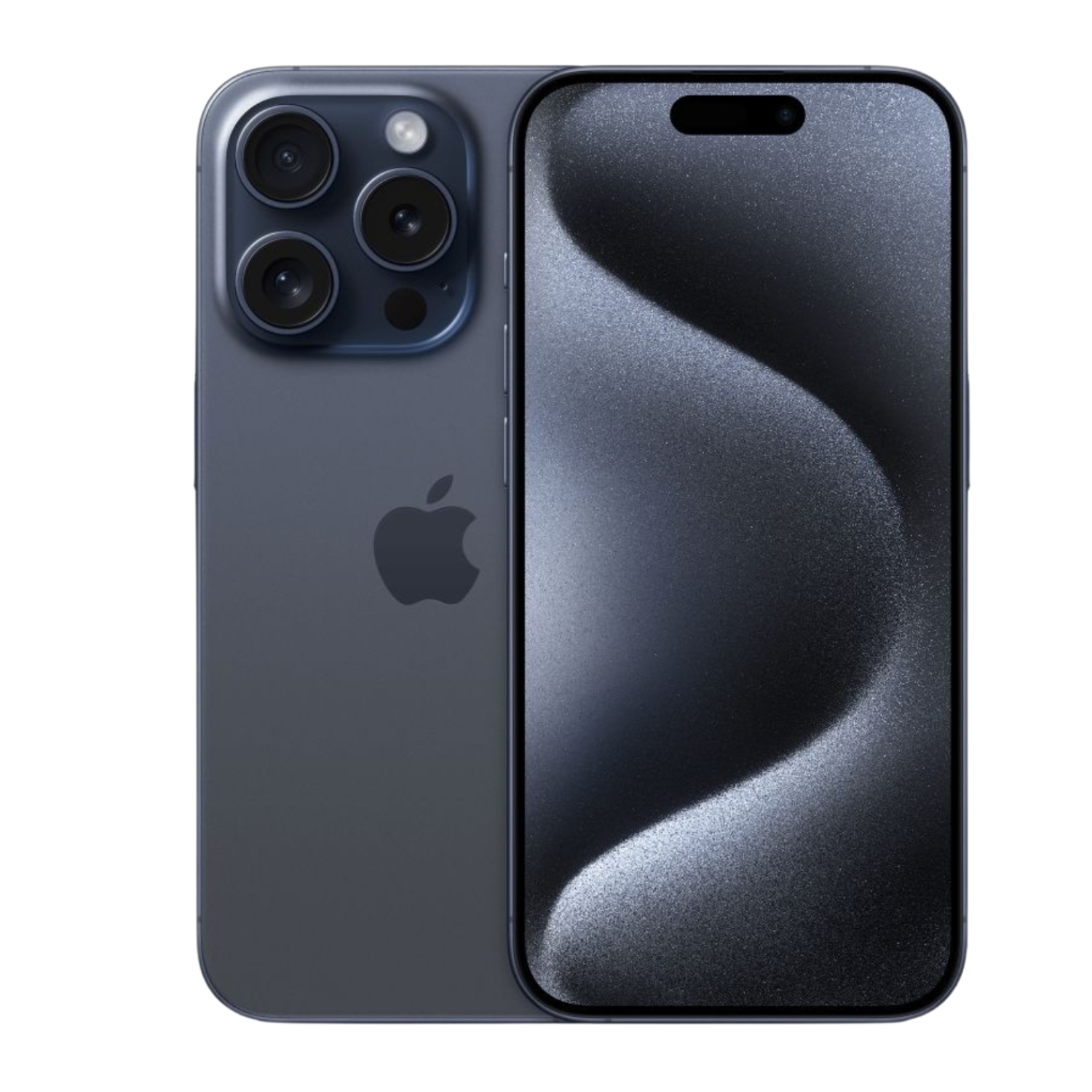
If you regularly edit photos, videos, or do other demanding work, choose a device with A17 Pro or A18 Pro chip (iPhone 15 Pro/Pro Max or 16 Pro/Pro Max). Videographers in particular will appreciate the performance of newer chips.
Based on Battery Needs
If battery life is important to you, newer chips (A17 Pro, A18/A18 Pro) offer the best energy efficiency. It’s also worth choosing “Plus” or “Pro Max” models, which have physically larger batteries. The article on iPhone battery capacity emphasizes that the optimal battery condition is at least 80% of its original capacity.
Refurbished Devices: Best Price-to-Performance Ratio
A refurbished iPhone or iPad can offer great value for money, especially 2-3 year old Pro models. For example:
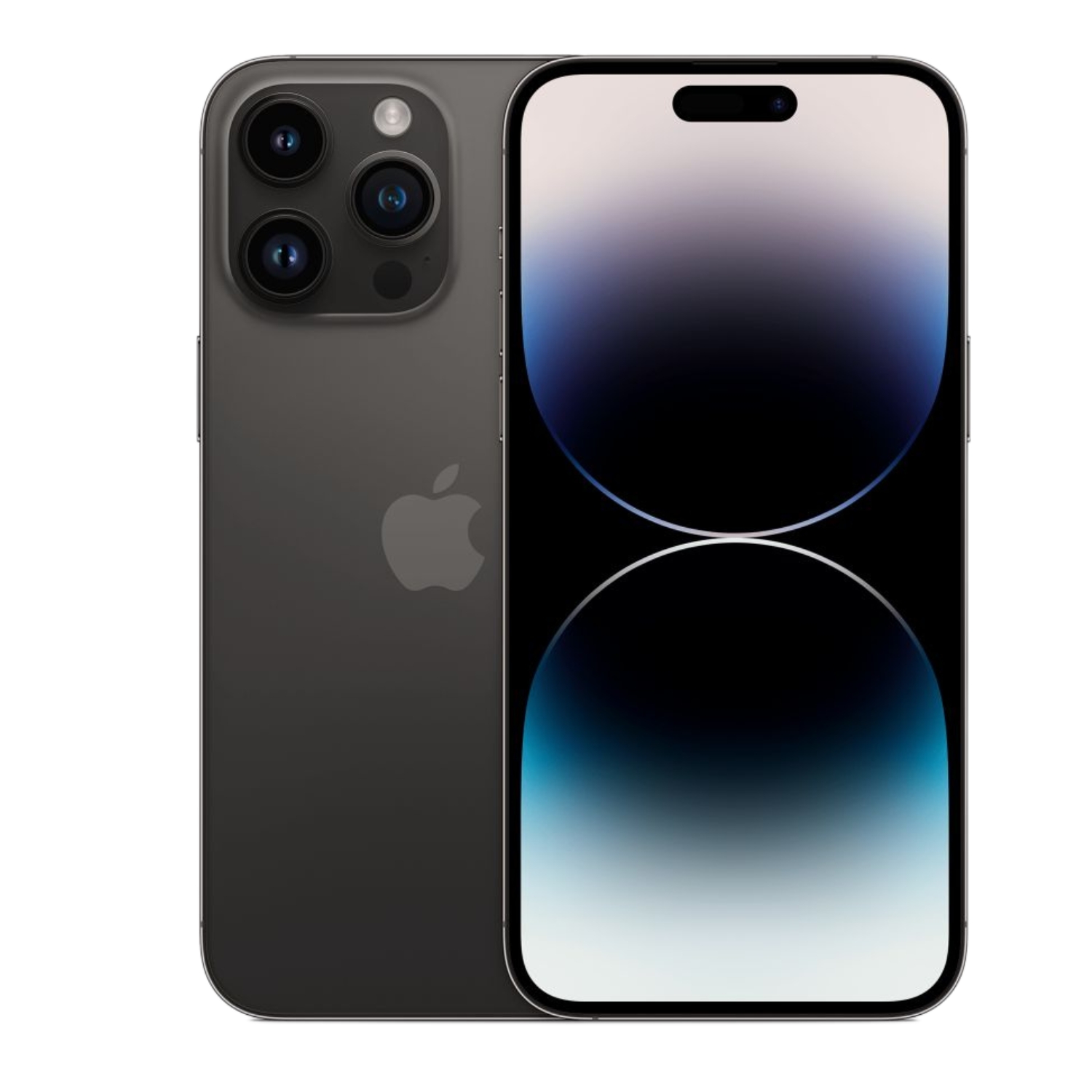
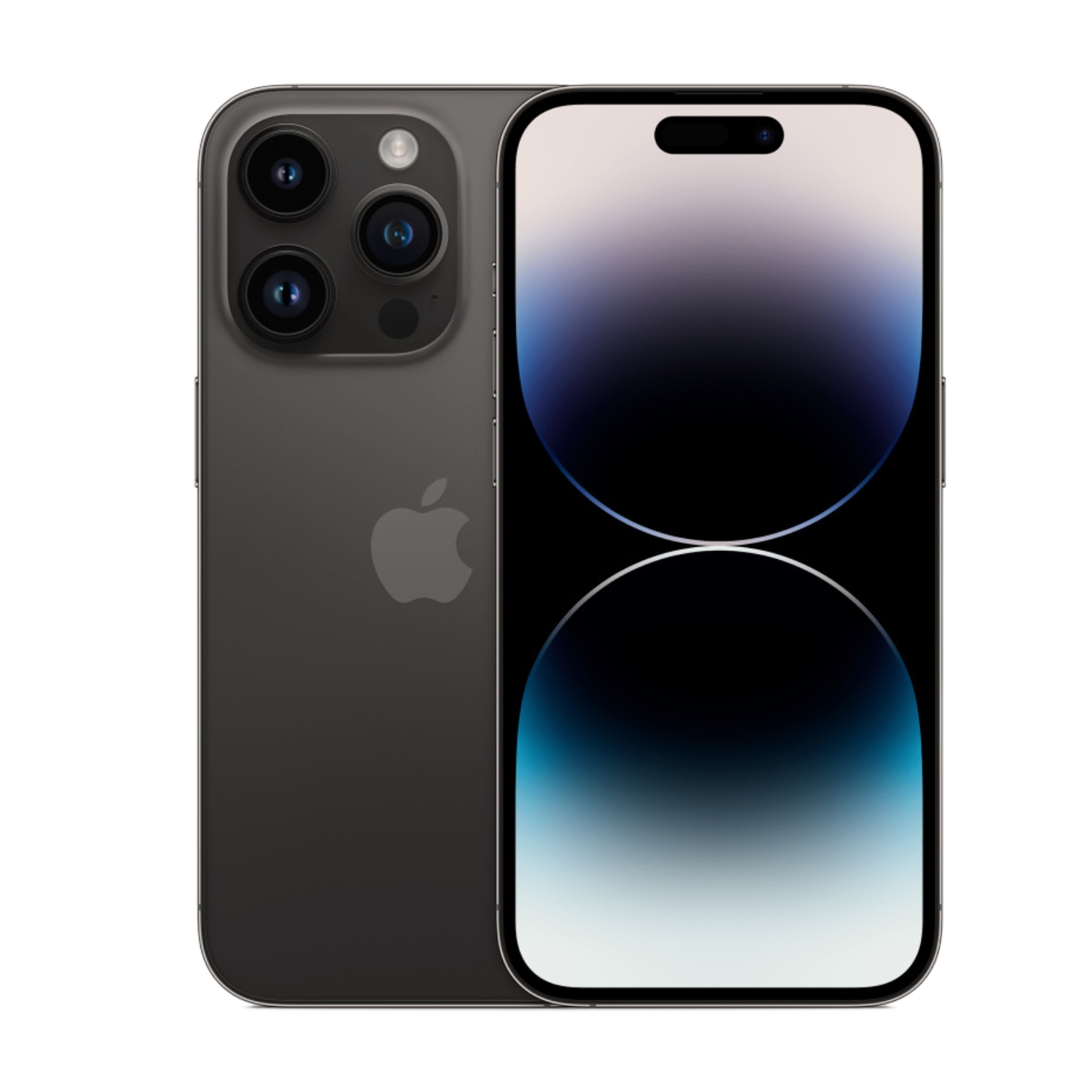
- iPhone 14 Pro (A16 Bionic) still offers top-tier performance at a much more affordable price than a new model
- iPhone 13 Pro (A15 Bionic) is still very capable for everyday tasks, photography, and even gaming
All UPGREAT refurbished devices are checked by certified technicians and come with a 2-year warranty. Battery health on all devices is guaranteed to be at least 80%, so you don’t have to worry about battery issues.
Conclusion
Apple’s A-series chips have significantly evolved with each generation, offering increasingly better performance and energy efficiency. However, this doesn’t mean everyone should always have the latest model – different chips suit different needs and usage patterns.
Everyday users can get a great experience even with slightly older models, while gamers and professionals may truly notice the difference with newer chips. If you find you need better performance but don’t want to pay the full price for the latest model, refurbished devices are a very sensible compromise.
Think about your main uses and choose a chip that meets your specific needs – whether that’s social media, photography, gaming, or professional work.
Also check out our blog, where we share overviews of trends and news.
To stay updated with Upgreat promotions, add us as a friend on FB or follow us on Instagram.